IGG HOLDS OMBUDSMAN CLINIC IN ADJUMANI TO STRENGTHEN ACCOUNTABILITY IN PUBLIC SERVICE DELIVERY.
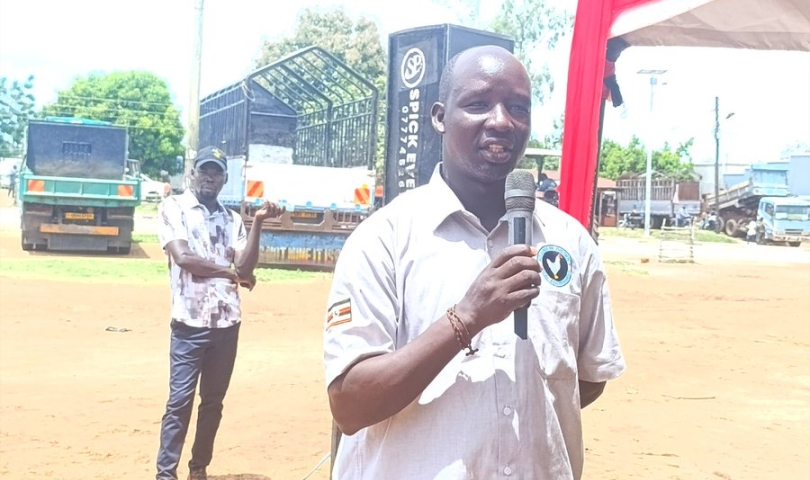
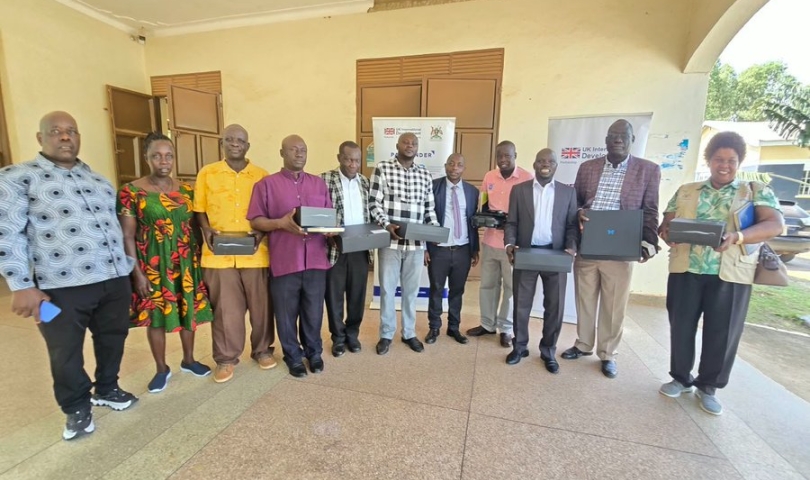
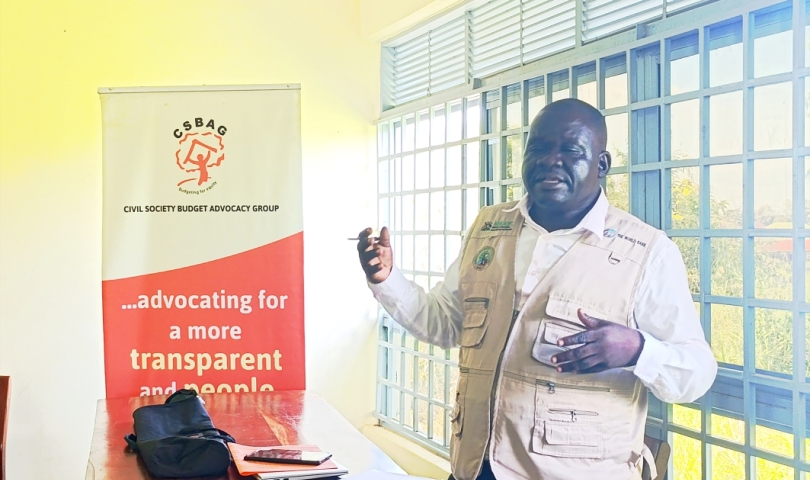
By Bazio Doreen.The Inspectorate of Government (IGG) has held an Ombudsman Clinic in Adjumani Town Council, providing a platform for current and former public servants and citizens to present grievances concerning salaries, pensions, employment records and public service delivery.The clinic was held on 7th October 2026, as a pre-activity ahead of the commemoration of International Ombudsman Day on Thursday, 8th October 2026.This year's commemoration is being held under the theme: “Ombuds: Office of Options”, with the national campaign slogan #TalkToTheOmbudsman. The IGG says the Ombudsman function provides citizens with avenues for resolving administrative grievances, delays in service delivery and workplace injustices.The clinic brought together the Resident District Commissioner's office, District Police Commander, District Internal Security Officer, NIRA officials, district technical staff and aggrieved current and former public servants.Ombudsman complaints remain significant.The Adjumani engagement comes against a backdrop of significant demand for Ombudsman services nationally.According to the IGG, Ombudsman-related matters accounted for 37 percent of all complaints investigated and concluded by the Inspectorate during FY2025/2026. The Inspectorate resolved 1,011 Ombudsman cases during the financial year and recommended Shs 2.353 billion for payment to individuals whose employment benefits had been denied or delayed.The IGG identifies common grievances as delayed or non-payment of salaries, pensions and gratuities, delays in accessing important documents and payroll, irregular recruitment and workplace malpractice.Speaking at the Adjumani clinic, Francis Were, Ma’di Sub-Region Inspectorate Officer based in Moyo District, said the Ombudsman function is intended to promote efficient and effective public service delivery.“It is everyone’s responsibility to fight corruption,” Were said. Were also said some complaints are driven by communication gaps between citizens and public institutions.“People complain because of a communication gap that needs to be addressed. Information should be shared on all available information platforms,” Were added.Public servants raise grievances.The clinic gave current and former public servants an opportunity to present individual cases directly to government institutions.Ambayo Godfrey, an Education Assistant at Elegu Primary School, told the clinic:“I joined service in December 2024 but I have never received my salary arrears,” Ambayo said.Madraa Gloria Koma, a teacher, said her employment details had remained on the Payroll-Based System (PBS) since 2024, although other employees had been migrated to the Human Capital Management system (HCM).She said the situation had affected her ability to access a loan.Hon. Osman Yusuf Shaban, Former Town Council Speaker, raised concerns about deductions from councilors’ allowances.He said: “Allowances of councilors are being deducted without clear reason from the Town Council leaders.”Opeli Steven, Former Senior Assistant Chief Administrative Officer and pensioner, also presented a complaint concerning his retirement. He said his service was irregularly terminated in 2021 and that he retired in 2023 at the age of 47.Opeli said: “The pension and gratuity I received was inadequate and wrongly computed.”District responds to salary complaints.Responding to the grievances, Igama Nobert, Principal Human Resources Officer, said the district had submitted a claim for domestic arrears to the Ministry of Finance, Planning and Economic Development.He explained that salary delays can sometimes result from mismatches between NIRA records and payroll records.“When you miss salary in June, you automatically miss the one for the next financial year, especially July,” Igama explained.Igama said that after harmonization and gazettement, affected staff can take several months to regain access to the payroll.He also disclosed that 45 new teachers had been recruited while the district initially had salary provision for only 12, although he said the Ministry of Public Service had given permission for payment arrangements to be made.The district's payroll challenges are not entirely new. In 2023, district officials said 447 employees had gone unpaid for February and March, amounting to Shs 592 million, while the district reported a Shs 5.1 billion wage shortfall covering secondary education and other wage requirements.Staff migration remains a challenge.Igama said 17 staff members were still being paid through PBS because they had not migrated their details to HCM in time.He added that staff experiencing mismatches between their PBS and NIRA records can seek a waiver where they are unable to harmonize their details.On retirement benefits, Igama said some people lack meeting minutes and letters confirming their service or work period, which are required when processing retirement benefits.He also said a census had been conducted for people above 75 years to facilitate upgrading of their pension payments to full salary.The Principal Human Resources Officer further cautioned against attempts to obtain double gratuity payments, saying this could cause financial loss to government.NIRA explains identification delaysVundru Dominic, NIRA Registration Officer, said harmonization of people's details on National Identification Cards is ongoing.He said ordinary processing of a National ID can take approximately three months, while applicants seeking express processing at NIRA headquarters pay Shs 300,000.He added that changing details to harmonize information on a National ID with academic documents can take about one month and requires approvals involving the court, URSB and NIRA.Councilors’ allowances.The issue of councilors’ allowances was also clarified by Eriku Patrick Keleture, Town Clerk of Adjumani Town Council.Keleture said councilors’ sitting allowances attract a 40 percent tax deduction, which he described as secondary tax charged by URA.He explained that although councilors receive the remaining allowance in cash, the deduction is made at the bank before withdrawal.According to Keleture, the cash arrangement was maintained because councilors considered the allowances too small to justify withdrawing them from the bank.Staffing gaps affect service delivery.The grievances are raised at a time when Adjumani is also working to address staffing gaps.In March 2026, the district resumed recruitment for 59 public-service positions after protests disrupted the process. The district had an allocated Shs 810 million wage bill for the recruitment.64 percent of the district's human-resource positions are filled. The staffing situation is particularly important for Adjumani, which provides services to both host communities and a large refugee population.Emmanuel Okware, Deputy Resident District Commissioner, thanked the stakeholders for collaborating with the IGG to address public grievances. He urged aggrieved staff and citizens to make use of the established complaint channels.The clinic provided an opportunity for citizens and public servants to engage directly with responsible institutions on administrative challenges.For Adjumani District, strengthening communication, ensuring accurate staff records, addressing payroll challenges and following up complaints remain important steps towards improving public service delivery and public confidence in government institutions.END